
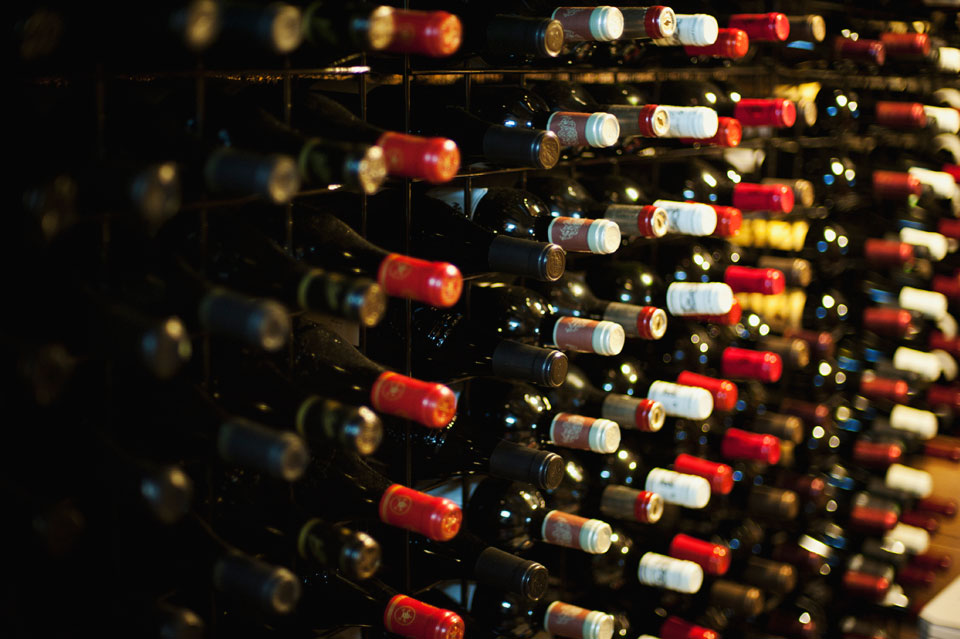
Restaurant Week is one of Washington, DC’s most delicious invitations: several courses, one thoughtfully composed menu, and the opportunity to discover a beloved dining room in a new way. For wine lovers, it is also the perfect occasion to explore the art of pairing.
A well-chosen wine can brighten a savory sauce, refresh the palate after a luscious bite, or reveal delicate flavors hidden beneath a rich preparation. The right pour does more than accompany dinner: it completes the experience.
At Bistrot Lepic & Wine Bar, our French wine program is designed for precisely this kind of exploration. Nestled in Georgetown since 1995, our neighborhood bistrot brings together authentic French cuisine, an extensive selection of wines, and the convivial ambiance of a Parisian dining room.
For 2026, Metropolitan Washington Restaurant Week is scheduled for August 24–30. Bistrot Lepic’s reservation notice highlights Restaurant Week dining from August 25–30, Tuesday through Sunday. Since menus and availability can change, we encourage you to review our current Restaurant Week menu and book your table in advance.
Begin with the fundamentals: pair the preparation, not just the protein
The most helpful sommelier principle is also the simplest: look beyond the main ingredient. A fish dish can be delicate, buttery, smoky, or intensely seasoned. Chicken may arrive with a crisp skin, a creamy sauce, or a deeply reduced jus. The preparation determines the pairing.
Keep three questions in mind:
- How rich is the dish?
- How intense are the flavors?
- What will refresh the palate between bites?
Acidity is often the answer. A crisp white or sparkling wine can cut through butter, cream, fried textures, and rich pâtés. A medium-bodied red can provide depth for braised meats without overwhelming the dish. Tannin, meanwhile, is happiest alongside protein and fat, where it feels structured rather than severe.
When in doubt, choose balance. The best pairing should make both the food and wine taste more expressive.
First course: let acidity awaken the palate
Restaurant Week starters often include salads, seafood, vegetables, tartares, pâtés, or other delicate preparations. These opening courses generally benefit from freshness and lift.
For seafood and lighter starters
A dry sparkling wine, Sauvignon Blanc, Sancerre, or another high-acid white can bring a crystalline brightness to seafood. Citrus notes echo a squeeze of lemon, while mineral nuances complement briny or delicate flavors.
At Bistrot Lepic, our wine program includes French selections from celebrated regions such as the Loire Valley, Burgundy, and Bordeaux. A chilled Sancerre is a particularly natural partner for fresh seafood, seasonal salads, and tangy goat cheese.
If your first course includes a creamy element, such as avocado, a velvety dressing, or a delicate butter sauce, select a white with enough texture to meet the dish. Chardonnay can work beautifully here, especially when balanced by lively acidity.
For salads and goat cheese
Goat cheese and Sauvignon Blanc are a classic French pairing for good reason. The wine’s bright acidity slices through the cheese’s creamy texture, while its subtle herbal character complements fresh greens and vinaigrette.
This is also where a crisp rosé can shine. Look for a dry, food-friendly style rather than one that is overly fruity or sweet. Its refreshing character can carry you gracefully from the first course into a vegetable-forward entrée.
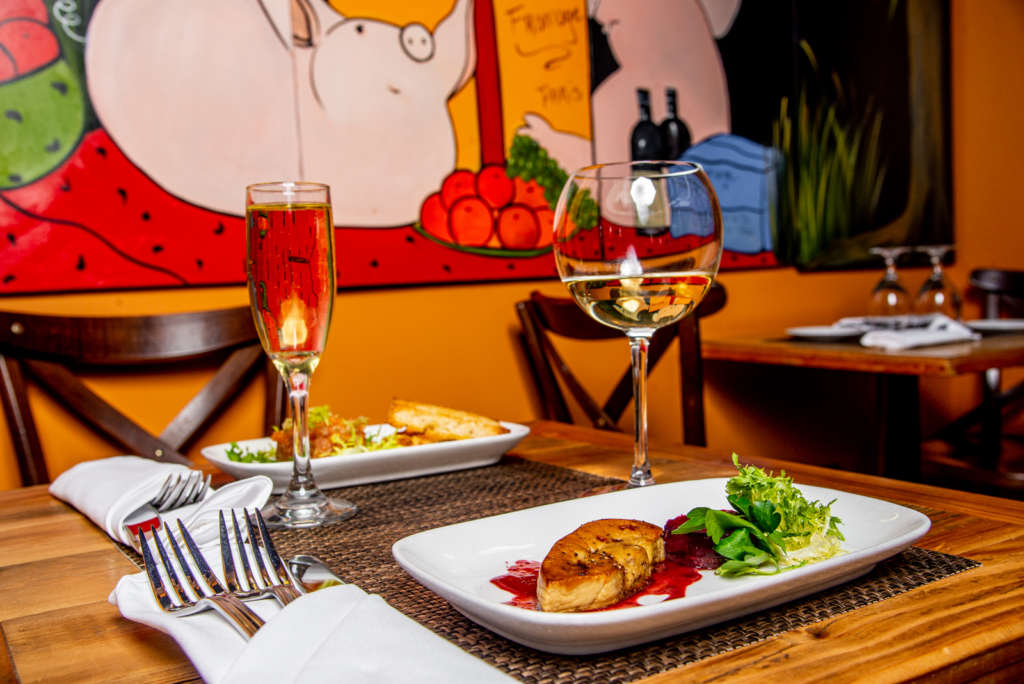
For foie gras and richer pâtés
Rich starters need contrast. A luscious white with good acidity, a gently sweet wine, or even a refined sparkling wine can keep foie gras from feeling heavy. The goal is not to compete with its luxurious texture, but to cleanse the palate and invite another bite.
Our cuisine page showcases the spirit of our menu, where traditional French dishes are reimagined with a modern twist. As you review the current prix-fixe offerings, consider the sauce and garnish as carefully as the centerpiece.
Main course: match body, depth, and texture
The main course is where wine pairing becomes especially rewarding. A wine that felt too powerful beside a salad may be precisely right for a braise or grilled steak.
For braised meats and rich sauces
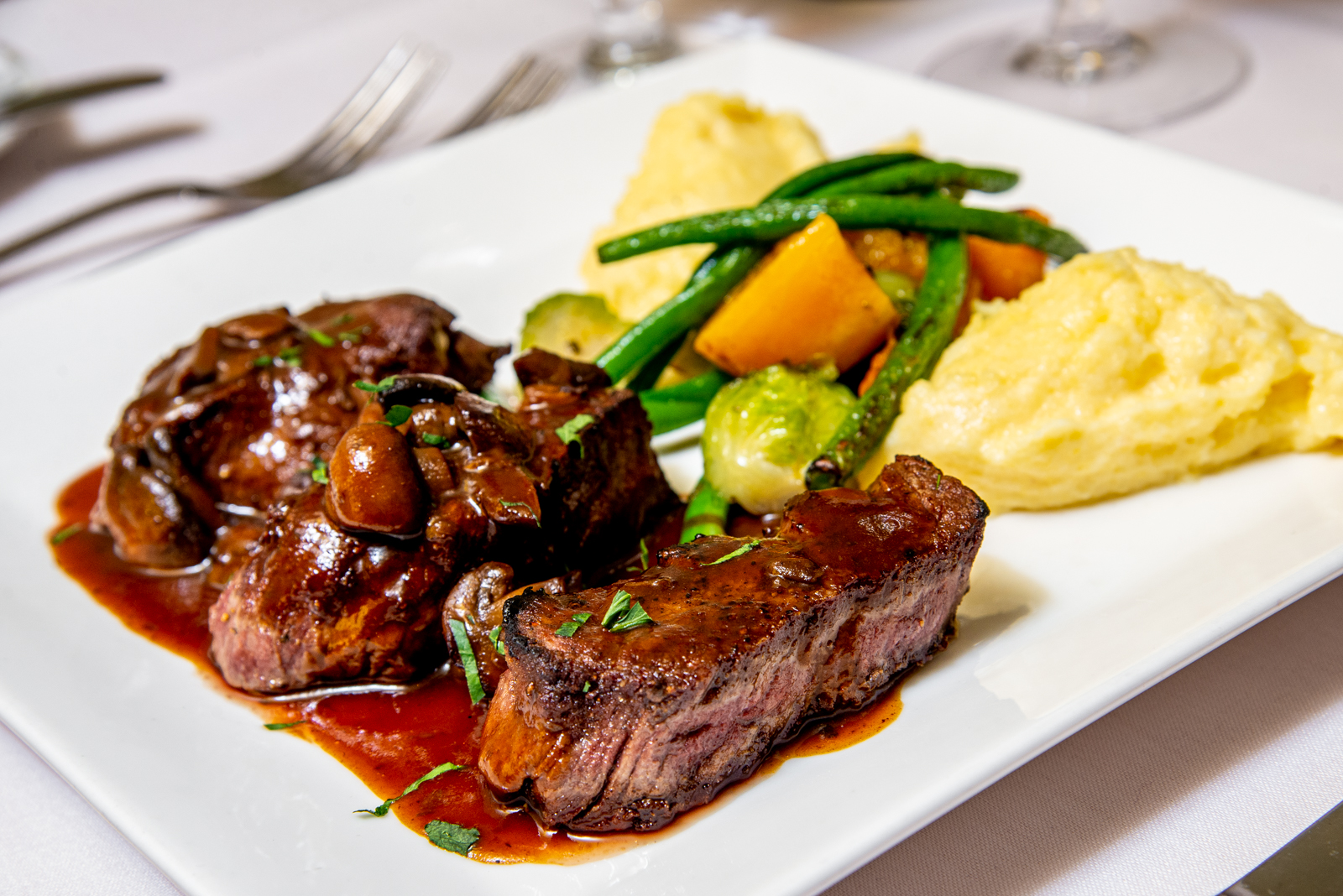
Slow-cooked dishes, such as veal cheeks or other tender braises, call for a wine with depth, supple tannin, and enough acidity to keep the pairing lively. Rhône blends are a classic choice, offering dark fruit, pepper, herbs, and a savory dimension that mirrors a reduced sauce.
Bistrot Lepic’s cuisine features veal cheeks prepared Ossobucco-style with creamy orecchiette. For a dish of this character, look toward a medium- to full-bodied red with polished tannins. A Southern Rhône blend, a structured Burgundy, or a balanced Bordeaux-style wine could all offer compelling directions, depending on the exact preparation.
The guiding principle is harmony: the wine should be substantial enough to accompany the dish, but never so bold that it conceals its nuances.
For steak and grilled beef
Red meat and tannic red wine remain one of the great culinary partnerships. Cabernet Sauvignon, Bordeaux blends, Syrah, and other structured reds can stand beside grilled beef, especially when the dish includes a savory jus, pepper sauce, or pommes frites.
If you prefer a lighter style, ask about a red Burgundy or another elegant, moderate-bodied selection. Fine dining in DC does not have to mean choosing the most powerful bottle on the list. Sometimes a wine with fresh acidity and restrained tannin reveals the character of the meat more beautifully.
For fish and seafood entrées
A seafood main does not automatically require the lightest white wine available. A meaty fish, butter sauce, or gratin may welcome a textured Chardonnay or Rhône white, while simply prepared fish may be better suited to Sancerre, Muscadet, or sparkling wine.
Rosé can also be a graceful middle ground, particularly with grilled seafood, Mediterranean herbs, or tomato-based accompaniments. Its freshness keeps the pairing energetic while its fruit and body add dimension.
For vegetables and ratatouille
Vegetable dishes often contain layers of flavor: earthy mushrooms, sweet roasted peppers, aromatic herbs, or bright tomato. Bistrot Lepic’s ratatouille, simmered with seasonal vegetables and herbs de Provence, is a beautiful example of how a vegetable-centered dish can be both simple and richly expressive.
Try an aromatic white, a fresh rosé, or a lighter red with lively acidity. For dishes featuring artichoke, asparagus, or bitter greens, ask your server for guidance; these ingredients can be challenging, but an herbaceous white or carefully selected natural-style wine can create a memorable match.
Dessert: choose sweetness with intention
Dessert is where many diners make the same mistake: pairing a dry wine with a sweet dish. When the dessert is sweeter than the wine, the wine may taste thin, bitter, or unexpectedly sharp.
Instead, select a wine that is at least as sweet as the dessert.
- Chocolate desserts: Try Port, Banyuls, Rivesaltes, or another rich fortified wine with notes of cocoa, dried fruit, and caramel.
- Crème brûlée and custards: Sauternes, late-harvest wines, or sweet Riesling can echo vanilla, toasted sugar, and velvety cream.
- Fruit-forward desserts: A lightly sweet sparkling wine or aromatic dessert wine can highlight berries, stone fruit, and citrus.
If you would rather continue with your red wine, that is perfectly acceptable. A dessert wine is an invitation, not a requirement. What matters most is ending the meal in a way that feels satisfying.
Ask for a recommendation: your preferences are part of the pairing
A sommelier-style experience does not require encyclopedic wine knowledge. It begins with a conversation.
When you arrive, share:
- The courses you are considering
- Whether you prefer white, red, sparkling, or rosé
- Your comfort level with acidity, oak, tannin, or sweetness
- Your preferred budget by the glass or bottle
A useful question is: “What would you recommend with the dish I chose?” Even better: “Is there a wine that will work well across my first course and main?”
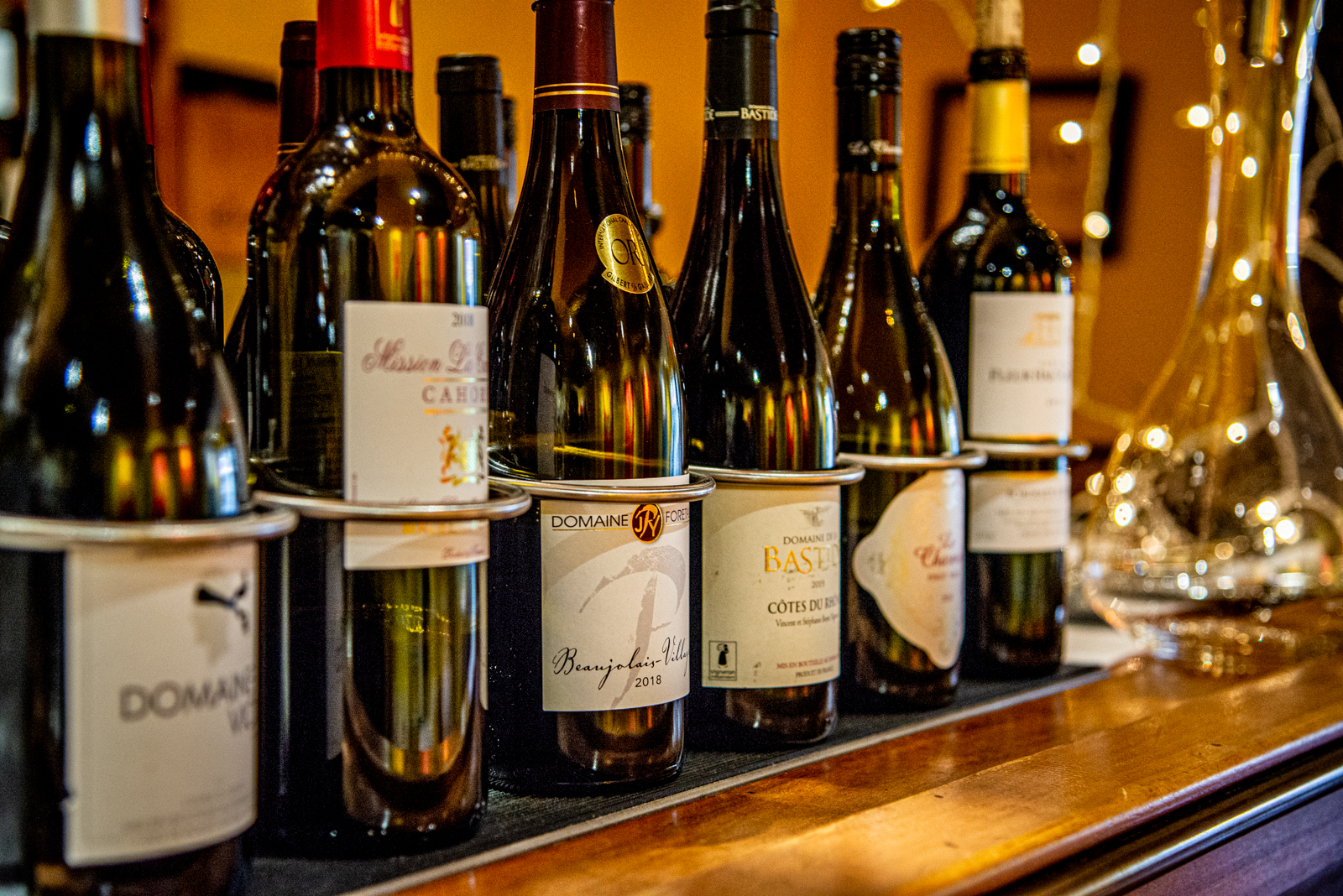
At Bistrot Lepic, our staff is happy to help you navigate the list, whether you are searching for a familiar French classic or a hidden gem from a small producer. You can explore the current Wine & Digestif List before your visit and arrive with a few styles in mind.
Turn Restaurant Week into a wider wine adventure
Restaurant Week is an excellent time to taste beyond your usual order. If a full bottle feels too ambitious, ask about wines by the glass. Bistrot Lepic also offers an inviting opportunity to explore the list during Happy Hour, when all wines by the glass are half price Tuesday through Thursday and Sunday from 5:00 to 7:00 p.m. in the Wine Bar.
For an especially convivial evening, join us for live music every Wednesday from 6:00 to 9:00 p.m.: sans cover: and let a glass of French wine set the rhythm for the night.
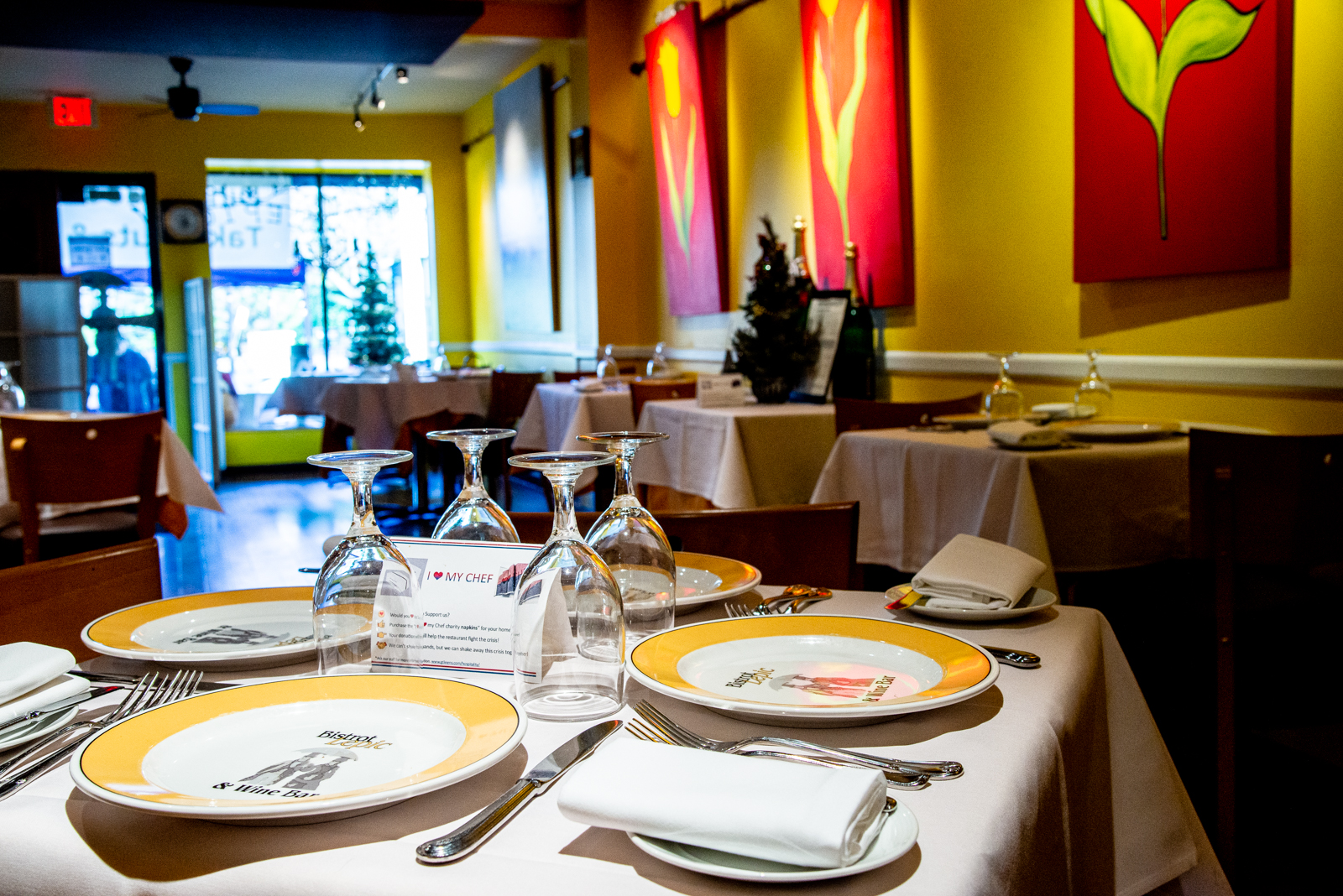
Whether you choose a bright Sancerre, a velvety Burgundy, a savory Rhône blend, or a luscious dessert wine, the goal is the same: to delight the senses and make each course more memorable.
Join us at Bistrot Lepic & Wine Bar for Restaurant Week in Georgetown. Settle into our warm dining room, raise a glass, and embark on a French culinary journey where every plate, pour, and conversation has a place at the table.
Reserve your table and discover your perfect prix-fixe pairing.